Understanding Natural Approaches to Male Energy and Vitality
An educational resource exploring traditional knowledge and contemporary insights about plant-based ingredients, daily care practices, and lifestyle approaches that have been associated with supporting men's overall well-being.
Explore Educational Insights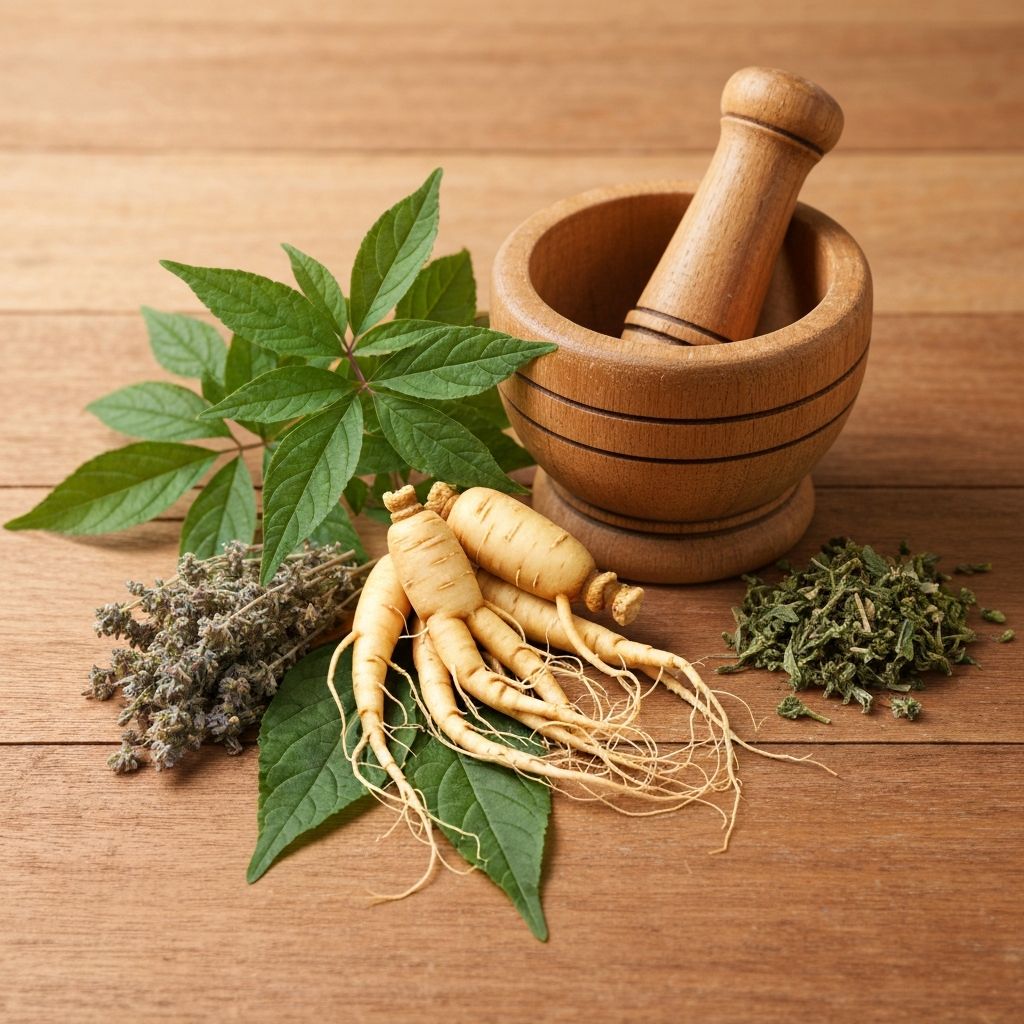
Introduction to Male Energy and Strength
Throughout history, various cultures have developed their own understanding of what contributes to male energy and physical strength. This educational overview examines the diverse perspectives on maintaining vitality through natural means.
The concept of male vitality encompasses multiple dimensions, including physical endurance, mental clarity, and overall well-being. Different traditions have approached these aspects through various natural methods, ranging from herbal preparations to lifestyle practices.
This resource provides informational content about these approaches without making specific recommendations. The goal is to offer educational context about the various perspectives that exist on this topic.

Overview of Natural Supplements and Body Care
The category of natural supplements and body care products for men encompasses a wide range of items derived from botanical sources. These include herbal preparations, plant-based oils, and formulations that combine various natural ingredients.
Body care products in this category often feature ingredients such as essential oils, herbal extracts, and natural compounds that have been used in traditional practices across different cultures. The formulations may come in various forms including balms, creams, and liquid preparations.
It is important to note that the presence of natural ingredients does not automatically imply specific benefits. Individual experiences may vary, and this information is provided for educational purposes only.
Key Ingredients and Their Properties
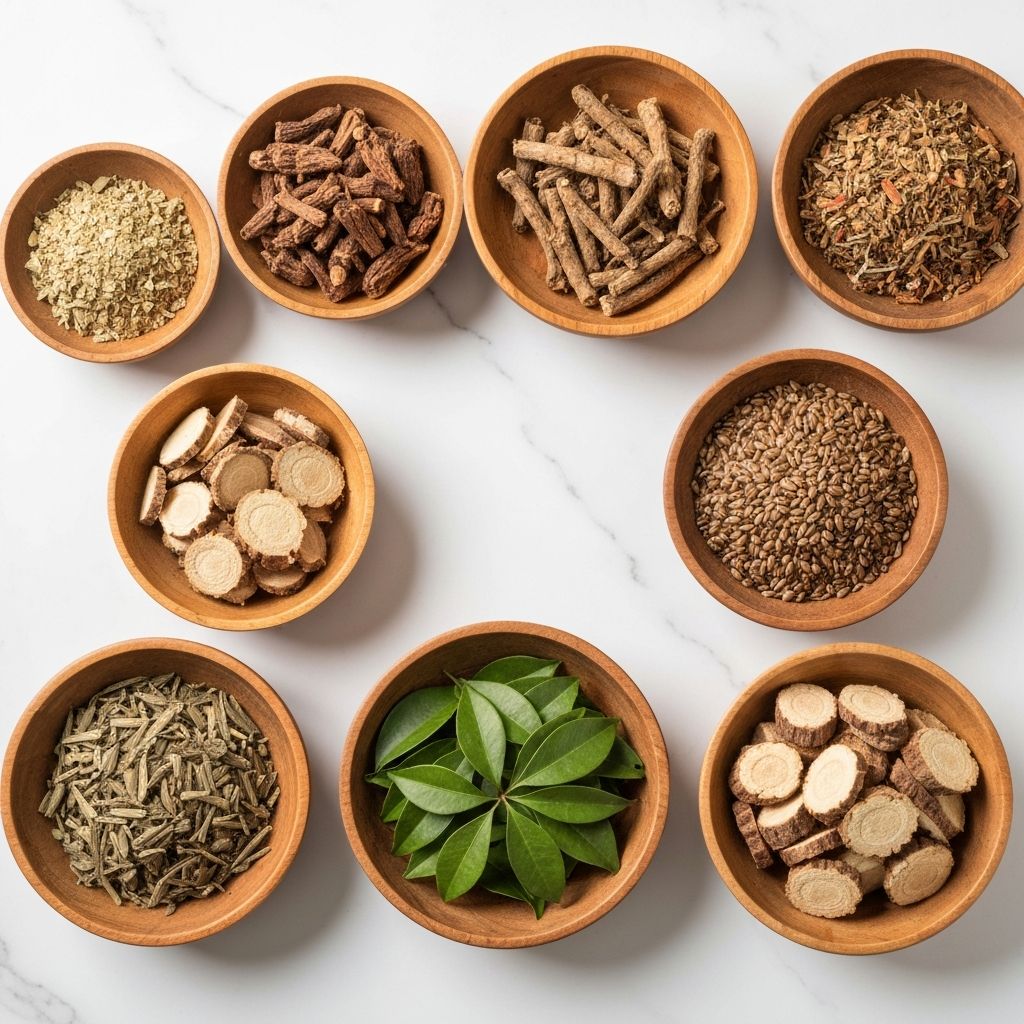
Various natural ingredients have been traditionally associated with male wellness. Below is educational information about some commonly discussed botanical components.
Ginseng Root
A plant root used in traditional Asian practices for centuries. Various cultures have incorporated ginseng into their wellness traditions, attributing different properties to different varieties of this botanical.
Tribulus Terrestris
A flowering plant found in various regions worldwide. It has been referenced in traditional Ayurvedic and Chinese texts, where it was discussed in the context of general vitality and wellness.
Maca Root
A cruciferous vegetable native to the Peruvian Andes. Maca has been cultivated for thousands of years and is traditionally consumed as a food source in its region of origin.
Ashwagandha
An evergreen shrub that grows in parts of Asia and Africa. It holds a significant place in Ayurvedic tradition, where it has been discussed for its adaptogenic properties in classical texts.
Tongkat Ali
A flowering plant native to Southeast Asian countries including Indonesia and Malaysia. It appears in traditional practices of the region and is sometimes called Eurycoma longifolia in botanical references.
Fenugreek Seeds
An herb commonly used in cooking and traditional practices in the Mediterranean region and South Asia. Fenugreek seeds have been part of culinary traditions for thousands of years.
Daily Routines for Energy and Wellness
Various daily practices have been discussed across different cultures in relation to maintaining energy and general wellness. The following represents educational information about some common approaches.
Morning Practices
Many traditions emphasize the importance of morning routines. These may include physical activity, mindfulness practices, or the incorporation of certain foods and beverages into the morning meal.

Physical Activity
Regular physical movement is commonly discussed in wellness literature. Different cultures have developed various approaches to exercise and physical conditioning over the centuries.

Rest and Recovery
The role of adequate rest in overall wellness is widely acknowledged. Various traditions have developed practices around sleep hygiene and relaxation techniques.
Traditional and Cultural Approaches
Different cultures around the world have developed their own traditions regarding male wellness and vitality. These approaches often reflect local botanical resources, cultural values, and accumulated knowledge passed down through generations.
In Southeast Asia, including Indonesia, traditional practices often incorporate local herbs and plants that grow in the tropical climate. These traditions have been part of cultural heritage for many generations.
It is important to approach these traditions with cultural respect and understanding that they represent historical practices rather than modern recommendations. Different cultures may have varying perspectives on these topics.
Learn About Our Educational Mission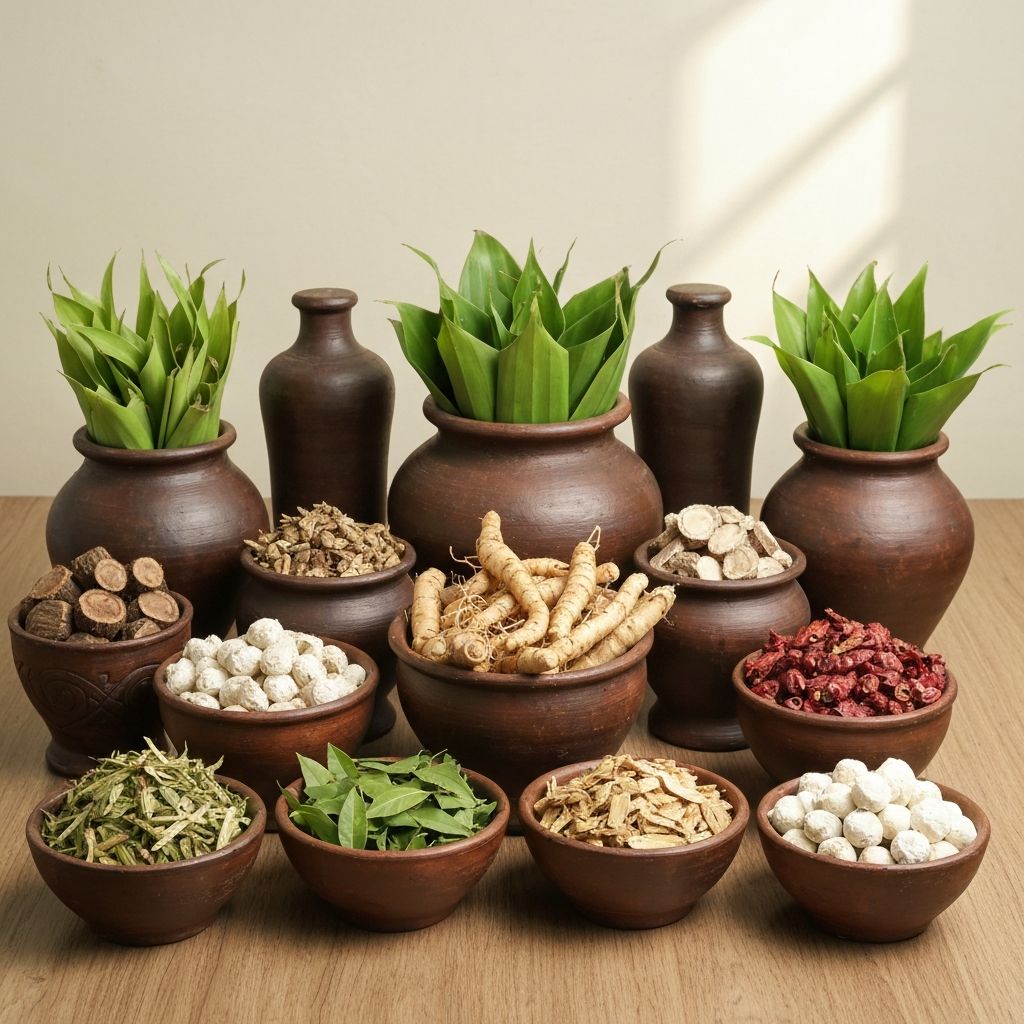
Neutral Insights on Supplementation
The topic of dietary supplementation is complex and multifaceted. This section provides general educational context about how supplementation is discussed in various sources.
Understanding Labels
Supplement labels contain various types of information including ingredient lists, suggested serving sizes, and manufacturing details. Learning to read these labels is part of being an informed consumer.
Regulatory Context
Different countries have varying regulatory frameworks for dietary supplements. These regulations differ from those applied to other product categories and vary by jurisdiction.
Individual Variation
Experiences with any wellness approach can vary significantly between individuals. Factors such as lifestyle, genetics, and overall health status may all play roles in individual experiences.
Important Context
This information is provided for educational purposes only. It does not constitute personalized advice or recommendations. Individual circumstances vary, and approaches to wellness differ across cultures and individuals.
General Scientific Context
Scientific research on botanical ingredients and traditional practices is an ongoing field of study. The following provides general context about how such research is conducted and interpreted.
Research Methodology
Scientific studies on natural ingredients employ various methodologies, from laboratory analyses to observational studies. The quality and scope of research varies widely across different ingredients and topics.
It is important to understand that the existence of research does not automatically validate specific claims. Scientific inquiry is an ongoing process, and conclusions may evolve as new information becomes available.
Interpreting Information
When encountering information about natural wellness approaches, critical evaluation is important. Factors to consider include the source of information, the methodology used, and the context in which findings are presented.
Educational resources aim to provide context and background information rather than definitive conclusions. The goal is to support informed understanding rather than to direct specific actions.
Frequently Asked Questions
Common questions about the topics covered on this educational resource.
This website serves as an educational resource providing information about natural approaches to male wellness and vitality. It aims to explain concepts and provide context rather than make recommendations or offer services.
No. This website provides general educational information only. It does not offer personalized recommendations, advice, or services. Individual circumstances vary, and this content should not be interpreted as guidance for personal decisions.
The content covers educational information about natural ingredients, traditional approaches from various cultures, daily care practices, and general context about wellness topics. All content is informational and does not include specific recommendations.
The disclaimer clarifies the educational nature of this content and reminds readers that the information is not intended as personalized guidance. This helps ensure transparency about the purpose and limitations of the content provided.
Information is selected based on educational relevance and presented in a neutral manner. The goal is to provide context about various topics rather than to promote specific viewpoints or approaches.
Contact Information
For inquiries about the educational content on this website.
Information Notice
This is an educational resource. We do not provide personalized advice or services. Contact us only for general inquiries about the educational content presented on this website.
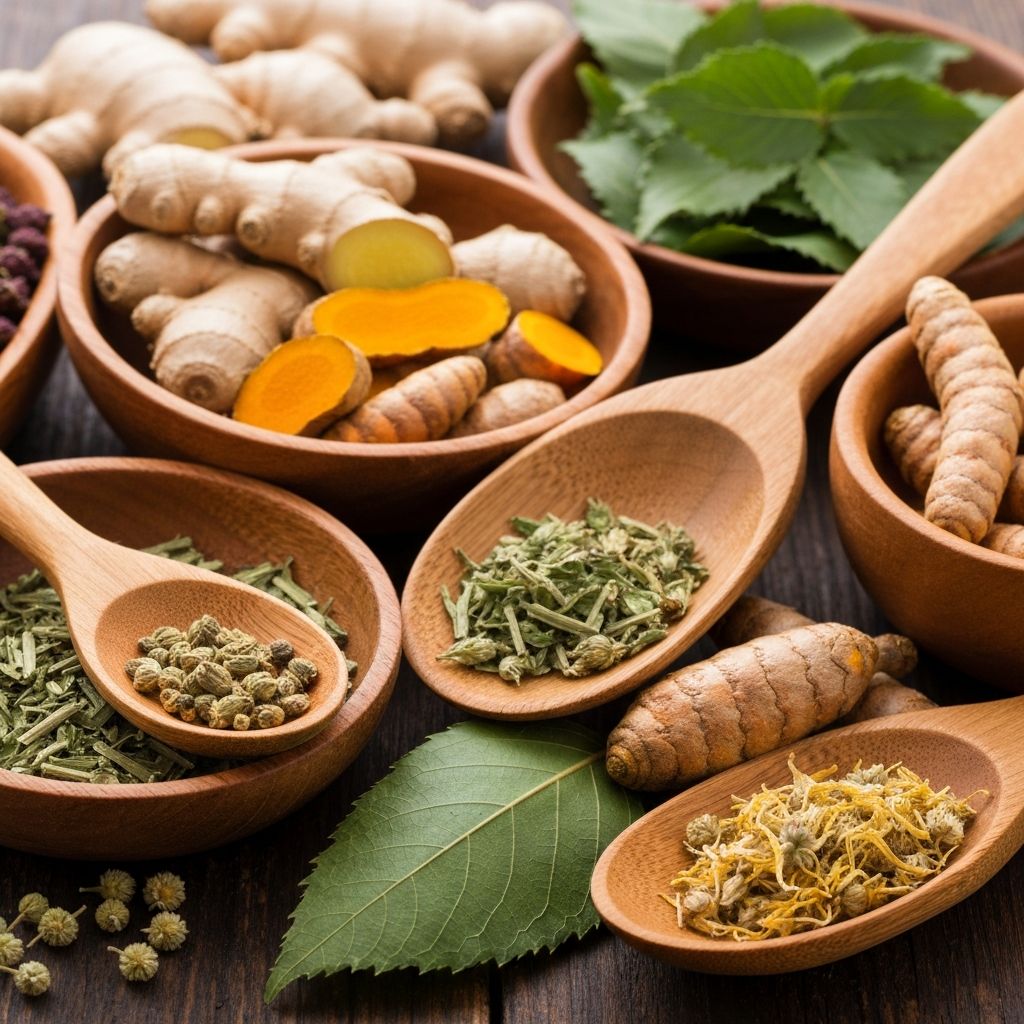
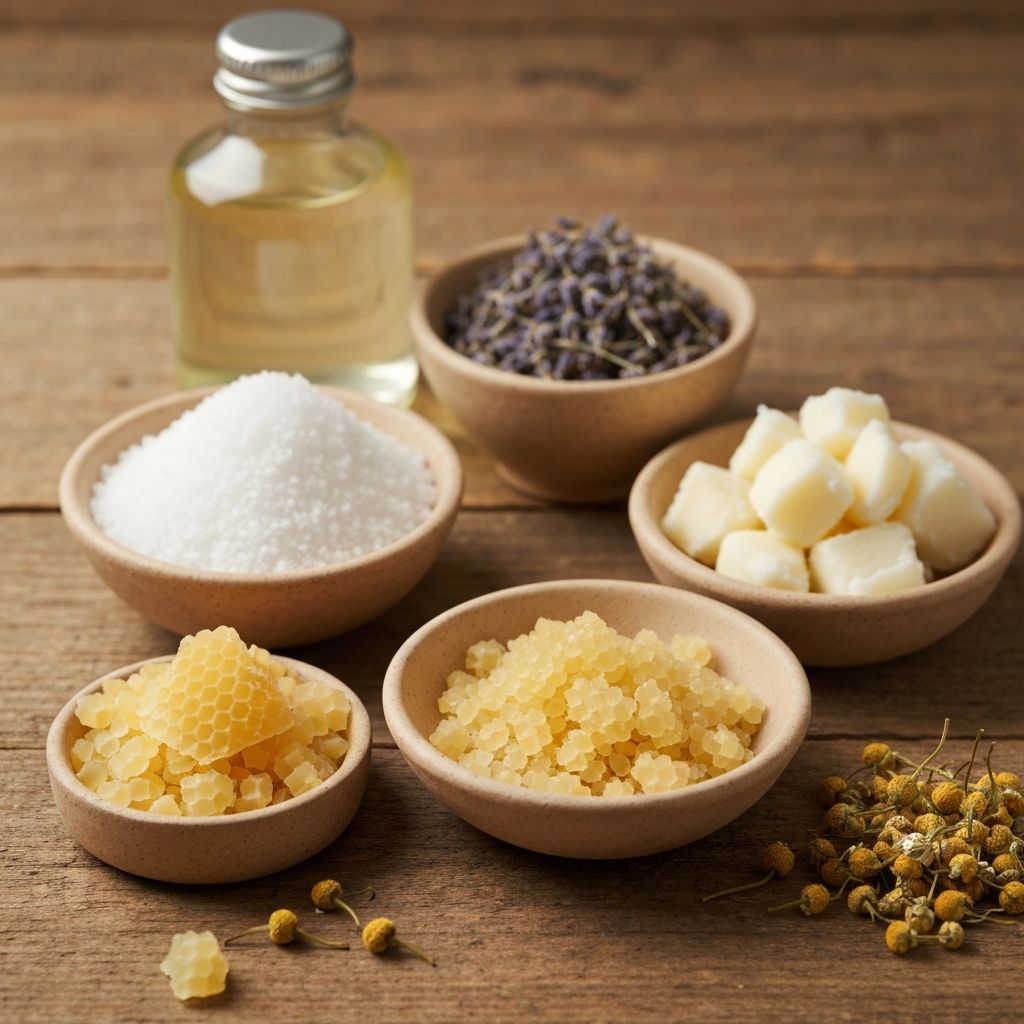
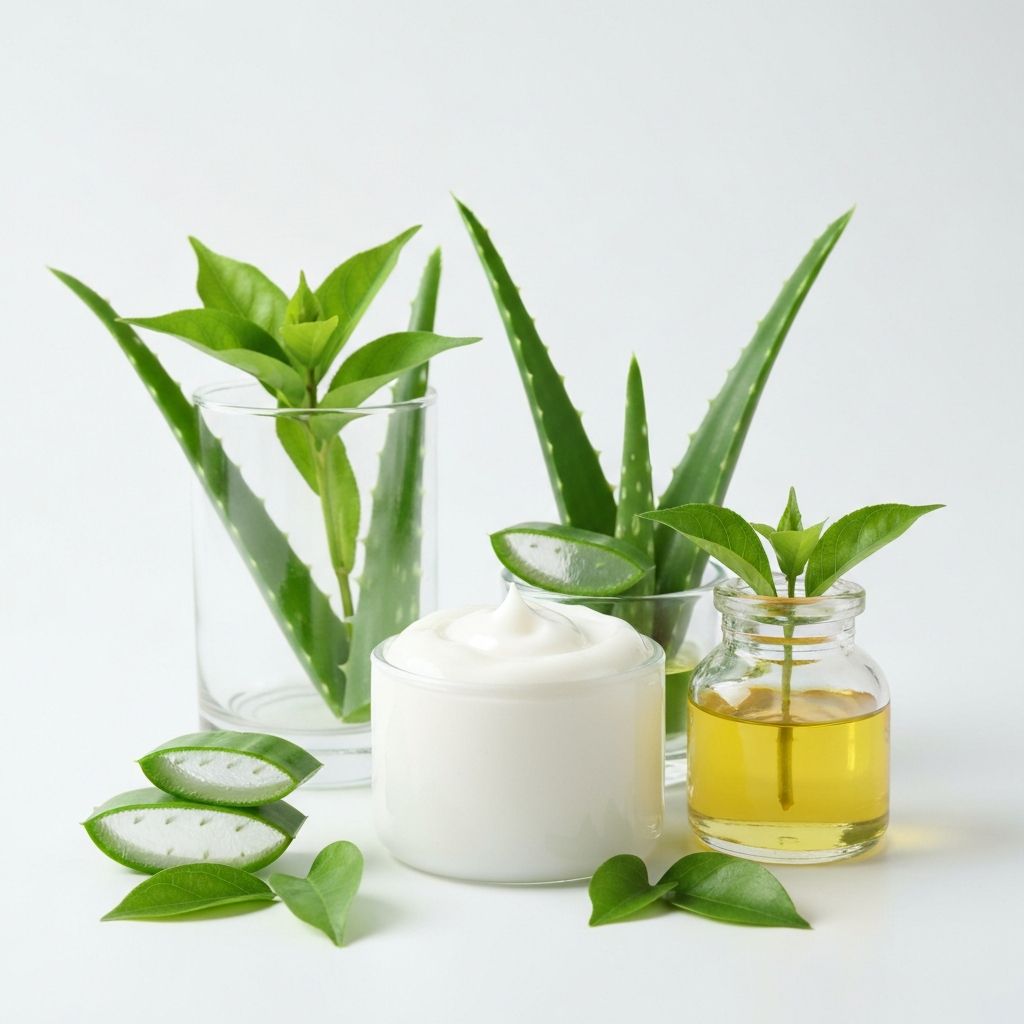
Visual Examples of Herbs, Balms, and Creams
Educational visual references showing types of natural ingredients and preparations discussed in traditional wellness practices.
Visual Content Notice
These images are for educational illustration purposes only. They represent general categories of products and ingredients rather than specific recommendations. Individual products vary widely in their composition and characteristics.
Continue Your Educational Exploration
This resource provides informational content about natural approaches to male wellness. Explore additional educational materials to learn more about these topics.
Read About Our Educational Mission